



Choosing the right fabrication method is one of the most critical decisions in any manufacturing or construction project. The method you select directly impacts product quality, cost, durability, and production timelines. With multiple fabrication techniques available today, understanding their differences and applications is essential to making the right choice.
Whether you are working on industrial equipment, construction components, or custom parts, selecting the appropriate approach ensures efficiency and long-term performance. Businesses involved in Dubai metal fabrications often evaluate several factors before finalizing the most suitable method for a project.
Understanding Different Fabrication Methods
Fabrication involves shaping raw materials into finished products using various techniques. Each method has its own strengths and is chosen based on project requirements. Some of the most common methods include:
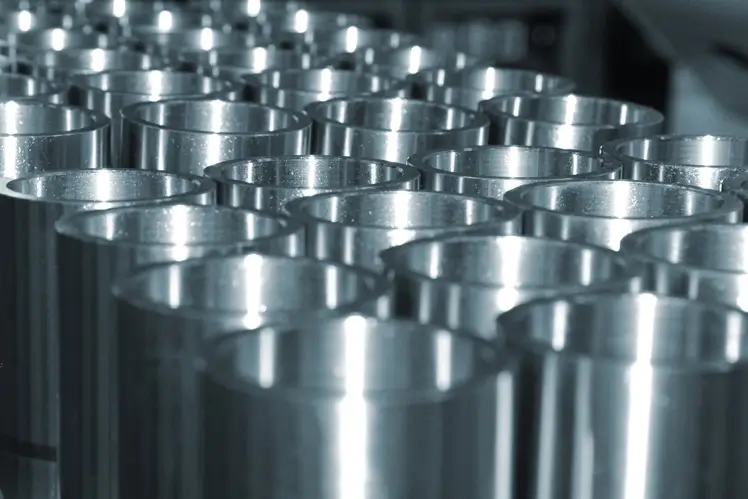
- Machining: A subtractive process where material is removed to achieve the desired shape. Ideal for high precision components.
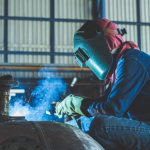
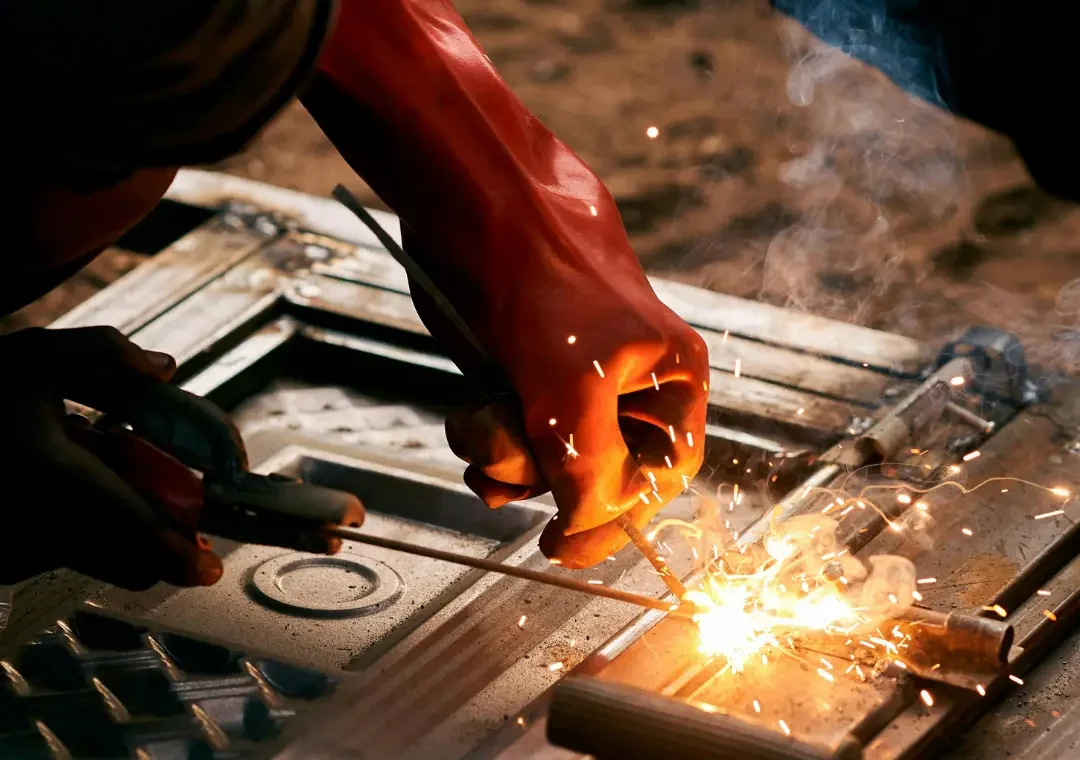
- Welding: Used to join metal parts together, commonly applied in structural and construction projects.
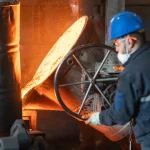
- Casting: Involves pouring molten material into molds, suitable for complex shapes and large-scale production.
- Forging: Uses compressive force to shape metal, known for producing strong and durable components.
- 3D Printing: An additive process that builds objects layer by layer, ideal for prototypes and complex geometries.
Each method has its own strengths and is chosen based on project requirements.
Factors That Influence Your Fabrication Choice
Selecting the right fabrication method depends on several critical factors:
- Material Type: Different materials behave differently under various processes.
- Design Complexity: Intricate designs may require advanced methods like CNC machining or 3D printing.
- Required Precision: High-precision parts demand tighter tolerances and specialized processes.
- Production Volume: Large-scale production may favor casting or forging, while small batches may use machining.
- Budget Constraints: Cost plays a major role in deciding the most feasible method.
Carefully evaluating these factors ensures a balanced decision between performance and cost.
Traditional vs Modern Fabrication Techniques – A Short Comparison
Traditional fabrication methods such as manual machining and basic welding have been widely used for decades. These methods are reliable but may lack speed and precision for complex designs. Modern techniques, including CNC machining and additive manufacturing, offer improved accuracy, automation, and efficiency. They reduce human error and allow for the production of highly detailed components. Today, industries are increasingly shifting toward advanced technologies to meet the growing demand for precision and faster production cycles.
Material Compatibility and Selection
Material selection plays a vital role in fabrication. Metals, plastics, and composites all respond differently to fabrication processes. For example:
- Metals like steel and aluminum are suitable for welding, machining, and forging.
- Plastics are often used in injection molding or 3D printing.
- Composites require specialized fabrication techniques due to their layered structure.
Choosing the right combination of material and process ensures durability and optimal performance.
Cost vs Quality Considerations
Balancing cost and quality is a common challenge in fabrication. While some methods offer lower production costs, they may compromise on precision or finish.
- Casting is cost-effective for mass production but may require additional finishing.
- Machining provides high accuracy but can be expensive for large volumes.
- Forging delivers strength but involves higher initial setup costs.
Projects involving Dubai metal fabrications often prioritize methods that strike the right balance between affordability and long-term quality.
Precision and Tolerance Requirements
Precision is crucial, especially in industries like aerospace, automotive, and electronics. Some fabrication methods are better suited for tight tolerances:
- CNC machining offers excellent precision and repeatability.
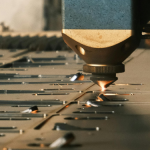
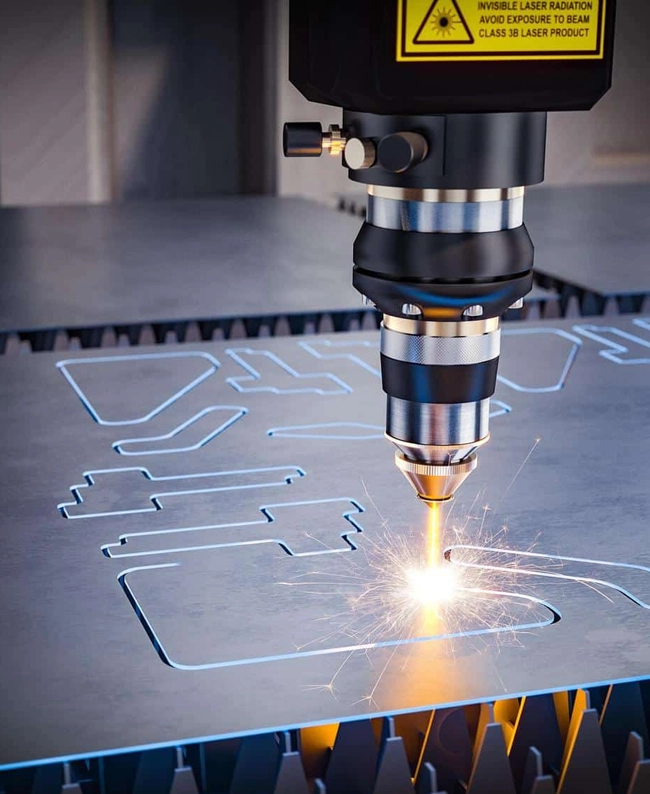
- Laser cutting ensures clean and accurate edges.
- Forging provides strength but may require secondary machining for fine tolerances.
Understanding the level of precision required helps in selecting the most appropriate fabrication method.
Scalability: Prototyping vs Mass Production
The stage of your project significantly influences the fabrication method:
- Prototyping: 3D printing and CNC machining are ideal for testing designs quickly.
- Mass Production: Casting and forging are more efficient for producing large quantities.
Choosing the wrong method at this stage can lead to increased costs and delays.
Lead Time and Project Deadlines
Different fabrication methods have varying production timelines:
- 3D printing offers a quick turnaround for prototypes.
- CNC machining provides moderate lead times with high accuracy.
- Casting and forging may require longer setup times but are efficient for bulk production.
Meeting deadlines requires careful planning and method selection.
Surface Finish and Post-Processing Needs
Surface finish plays a key role in both aesthetics and functionality. Some methods produce smoother finishes than others:
- Machining and laser cutting provide clean finishes.
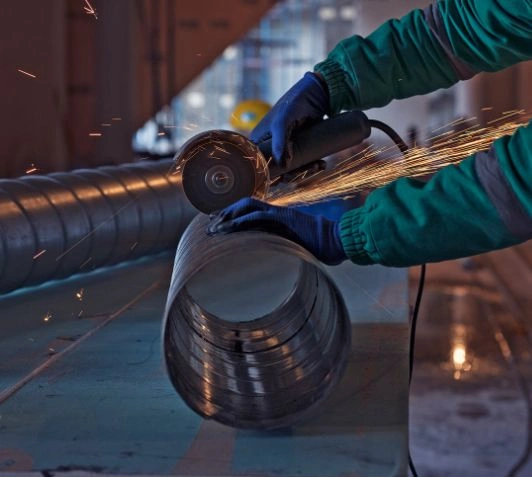
- Casting may require polishing or grinding.
- Welding may need additional finishing for a refined look.
Post-processing steps such as coating, painting, or polishing are often necessary to achieve the desired result.
Sustainability and Waste Considerations
Sustainability is becoming increasingly important in modern fabrication. Different methods generate varying levels of waste:
- Machining produces material waste due to cutting.
- 3D printing minimizes waste by adding material only where needed.
- Recycling and energy-efficient processes help reduce environmental impact.
Businesses are now focusing on eco-friendly fabrication practices to improve sustainability.
Industry-Specific Applications
Fabrication methods vary depending on industry requirements:
- Automotive: Requires precision machining and forging for durable parts.
- Construction: Relies heavily on welding and structural fabrication.
- Aerospace: Demands high precision and lightweight materials.
- Electronics: Uses micro-machining and advanced fabrication techniques.
Each industry has unique needs that influence fabrication decisions.
Common Mistakes to Avoid When Choosing a Fabrication Method
Avoiding common errors can save time and cost:
- Ignoring Material Compatibility: Choosing a fabrication method without considering material properties can lead to weak structures or production issues.
- Overlooking Tolerance Requirements: Not accounting for required precision may result in components that don’t fit or function properly.
- Choosing a Method Based Only on Cost: Focusing solely on low cost can compromise quality, durability, and long-term performance.
- Underestimating Production Volume: Selecting the wrong method for the required quantity can increase costs and reduce efficiency.
- Neglecting Post-Processing Requirements: Ignoring finishing needs like polishing or coating can affect the final appearance and functionality of the product.
Proper planning and expert consultation can help prevent these mistakes.
How to Choose the Right Fabrication Partner
Selecting the right fabrication partner is just as important as choosing the method itself. Consider the following:
- Experience and Industry Expertise: A partner with proven experience understands industry requirements and can handle complex fabrication challenges effectively.
- Availability of Advanced Equipment: Access to modern machinery ensures better precision, efficiency, and the ability to handle diverse project needs.
- Quality Certifications and Standards: Certifications indicate that the company follows established quality and safety standards in its processes.
- Strong Quality Control Processes: A reliable partner conducts thorough inspections to ensure consistency and minimize defects in the final product.
- Ability to Meet Deadlines and Scale Production: The right partner should deliver projects on time and have the capacity to scale production as your needs grow.
Reliable providers in Dubai metal fabrications typically offer a combination of technical expertise, modern technology, and consistent quality assurance.
Choosing the right fabrication method requires a clear understanding of your project’s requirements, including material, complexity, budget, and production goals. By carefully evaluating these factors and leveraging modern technologies, businesses can achieve optimal results in terms of quality, efficiency, and cost. Ultimately, the right decision not only enhances product performance but also ensures long-term success for your project.