


Metal fabrication is an essential process in modern construction, manufacturing, commercial interiors, and industrial development. From structural metal components to decorative features and customised sheet metal products, metal fabrication helps transform raw materials into practical, durable, and functional solutions.
Whether you need metal fabrication work for a construction project, customised components for a commercial space, or precision-cut sheet metal parts, understanding the fabrication process can help you make informed decisions. Choosing the right metal fabrication service also plays an important role in achieving quality, accuracy, and long-term performance.
In this guide, we explore the basics of metal fabrication, common fabrication processes, the benefits of custom solutions, and the factors to consider when selecting a fabrication provider.
What Is Metal Fabrication?
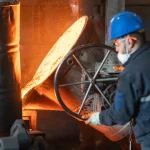
Metal fabrication is the process of converting raw metal materials into finished products or components through cutting, bending, shaping, welding, and assembly. Depending on the project requirements, fabrication may involve materials such as steel, stainless steel, aluminium, and other suitable metals.
Metal fabrication is widely used in construction, industrial facilities, commercial properties, furniture production, architectural applications, and equipment manufacturing.
A professional metal fabrication service can help produce components according to specific dimensions, design requirements, material specifications, and intended applications.
Common Types of Metal Fabrication Services
Metal fabrication includes several processes, each serving a different purpose. The appropriate method depends on the material, design, complexity, and final use of the product.
1. Metal Cutting
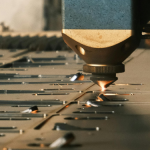
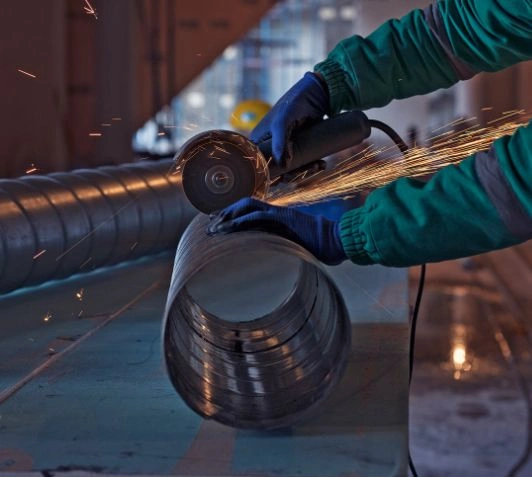
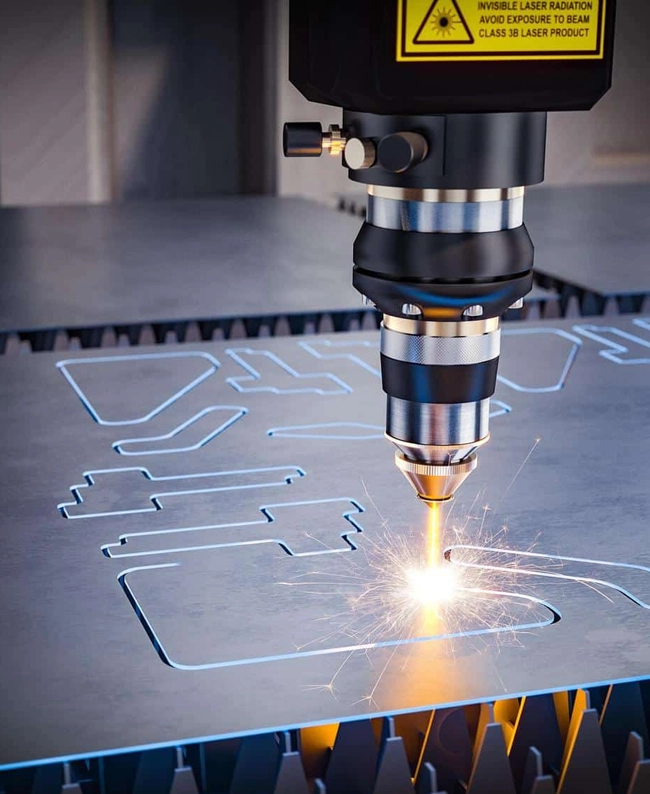
Metal cutting is used to separate raw materials into specific sizes and shapes. Depending on the required precision and material thickness, techniques may include laser cutting, plasma cutting, sawing, or other cutting methods.
Accurate cutting helps minimise material waste and ensures that components fit correctly during assembly.
2. Metal Bending and Forming
Bending and forming change the shape of metal sheets, plates, and sections without necessarily cutting them into separate pieces. These processes are commonly used to manufacture brackets, enclosures, panels, frames, and other customised components.
3. Welding and Assembly
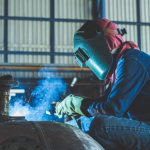
Welding joins metal components to create a complete structure or product. Assembly may also involve mechanical fasteners and other joining methods, depending on the application.
Proper fabrication and assembly help ensure that the finished product meets its intended structural and functional requirements.
4. Custom Sheet Metal Fabrication
Custom sheet metal fabrication involves manufacturing products from metal sheets according to specific design measurements and project needs. Common applications include equipment covers, metal cabinets, ductwork, panels, enclosures, and architectural components.
The process may include cutting, punching, bending, welding, finishing, and final assembly. Accurate measurements and appropriate material selection are essential for achieving a reliable result.
5. Metal Finishing
Metal finishing improves the appearance, durability, or corrosion resistance of fabricated products. Depending on the material and application, finishing options may include powder coating, painting, polishing, galvanising, or other protective treatments.
The correct finish helps protect metal components from environmental exposure and supports their intended service life.
Why Choose a Professional Metal Fabrication Service?
Selecting a suitable metal fabrication service can make a significant difference in the quality and efficiency of a project.
Customised solutions: Fabrication allows products to be manufactured according to project-specific dimensions, shapes, and functional requirements.
Material flexibility: Different metals can be selected based on strength, weight, appearance, corrosion resistance, and budget.
Accurate production: Appropriate fabrication equipment and quality-control procedures help maintain dimensional accuracy and consistency.
Efficient material usage: Proper planning and cutting layouts can reduce unnecessary waste and improve material utilisation.
Versatile applications: Fabricated metal products can be used across construction, manufacturing, retail, hospitality, and many other industries.
Design flexibility: Custom fabrication supports unique designs that may not be available as standard off-the-shelf products.
The right fabrication approach depends on the project’s technical specifications, expected operating conditions, and required finish.
Understanding Metal Fabrication Work
Metal fabrication work involves several stages, beginning with planning and ending with the inspection of finished components. Understanding these stages can help project owners communicate their requirements clearly.
Step 1: Design and Planning
The process starts with defining the product’s dimensions, shape, intended purpose, and technical requirements. Drawings, sketches, or digital design files may be used to communicate the specifications.
Step 2: Material Selection
Choosing the appropriate metal is important for performance, cost, and durability. Steel may be suitable for many structural applications, while stainless steel is often selected where corrosion resistance and appearance are important. Aluminium can be useful when lower weight is a priority.
Step 3: Cutting and Shaping
The selected material is cut, bent, drilled, or formed according to the design. The fabrication method depends on the required tolerances, material thickness, and product complexity.
Step 4: Welding and Assembly
Individual components are joined or assembled to create the final product. The joining method should suit the material and the intended application.
Step 5: Finishing and Quality Inspection
The completed product may receive a protective or decorative finish. Measurements, welds, surface quality, and other relevant characteristics should be checked before delivery or installation.
Clear communication throughout these stages helps reduce errors, delays, and unnecessary modifications.
Custom Metal Fabrication Near Me: What Should You Consider?
Searching for custom metal fabrication near me is a practical starting point when you need fabricated components for a local project. However, proximity should not be the only factor in your decision.
Consider the following points when evaluating a fabrication provider:
- Relevant experience: Look for experience with the type of fabrication work your project requires.
- Equipment and capabilities: Check whether the provider can handle your materials, dimensions, thicknesses, and design complexity.
- Customisation options: Confirm that the provider can work from your drawings, measurements, or design specifications.
- Quality control: Ask about inspection procedures, dimensional checks, and workmanship standards.
- Material availability: Verify that the required material grades and finishes can be supplied.
- Project timelines: Discuss production schedules, delivery arrangements, and installation requirements where applicable.
- Quotation transparency: Request a clear breakdown of materials, fabrication, finishing, transportation, and other relevant costs.
Before requesting a quotation, prepare the approximate dimensions, quantities, material preferences, drawings, and intended application. Providing these details can help a fabrication provider understand the project and prepare a more accurate estimate.
For projects in Dubai, you can explore the metal fabrication services offered by Metal Space UAE to learn more about the available options.
Custom Sheet Metal Fabrication for Different Applications
Custom sheet metal fabrication supports a wide range of commercial, industrial, and architectural requirements. Because products can be manufactured to specific measurements, this process is suitable for applications that require a particular shape, fit, or finish.
Common applications include:
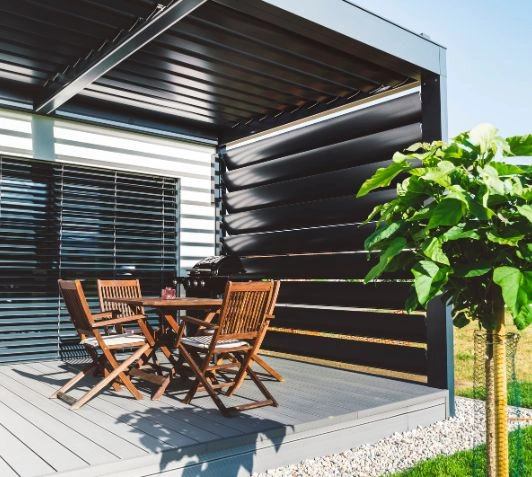
Construction and architecture: Metal cladding components, brackets, panels, trims, and selected architectural features.
Commercial interiors: Customised partitions, decorative panels, counters, shelving components, and metal fixtures.
Industrial equipment: Machine covers, protective enclosures, equipment housings, and support components.
Electrical applications: Metal cabinets and enclosures designed to accommodate electrical equipment, subject to the relevant technical and safety requirements.
Hospitality and retail: Customised display structures, furniture components, decorative metalwork, and fixtures.
Maintenance and replacement: Replacement panels, brackets, covers, and other components manufactured to match existing dimensions.
When planning custom sheet metal fabrication, consider material thickness, bend allowances, tolerances, edge quality, surface treatment, and the conditions in which the finished product will be used.
Detailed drawings and accurate measurements can help ensure that the manufactured parts fit the intended space or assembly.
How to Select the Right Metal for Your Project
Material selection influences the strength, weight, cost, appearance, and maintenance requirements of a fabricated product.
Mild Steel
Mild steel is widely used in general fabrication, frames, brackets, supports, and numerous construction applications. Its suitability depends on the required strength, environmental exposure, and protective finish.
Stainless Steel
Stainless steel is commonly used where corrosion resistance, hygiene, or a clean appearance is important. It is often found in commercial kitchens, architectural features, equipment, and selected industrial applications.
Aluminium
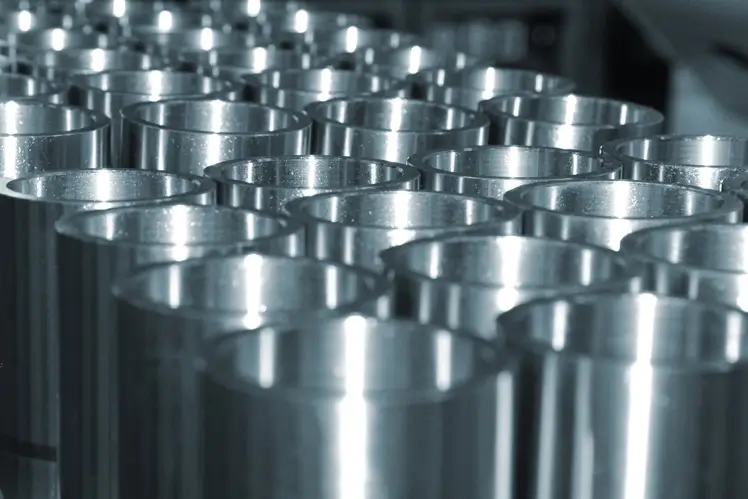
Aluminium is valued for its relatively low weight and corrosion resistance. It is used in panels, enclosures, frames, architectural components, and other applications where weight and appearance matter.
Galvanised Steel
Galvanized steel has a protective zinc coating that helps reduce corrosion. It may be appropriate for selected outdoor and general-purpose applications, depending on exposure conditions and project specifications.
The best material should be selected according to the design, operating environment, expected loads, applicable standards, and overall budget.
For additional technical information about metal materials and their properties, the AZoM materials science resource offers educational articles covering metals, alloys, and engineering materials.
Factors That Affect the Cost of Metal Fabrication
The cost of metal fabrication varies from one project to another. Several factors can influence the final quotation.
- Material type: Different metals and grades have different purchase costs and processing requirements.
- Material thickness: Thicker materials may require additional cutting capacity, handling, and processing time.
- Design complexity: Intricate shapes, tight tolerances, and specialised features may increase production requirements.
- Quantity: Production volume can affect material utilization, setup costs, and manufacturing efficiency.
- Fabrication processes: Cutting, bending, welding, drilling, and assembly requirements contribute to the overall cost.
- Finishing requirements: Powder coating, polishing, painting, and other treatments can add to the project cost.
- Delivery and installation: Transportation, site access, lifting, and installation requirements may affect the final price.
To compare quotations effectively, make sure each provider is pricing the same material specifications, dimensions, quantities, finishing requirements, and delivery scope.
The lowest quotation is not necessarily the best choice if it excludes essential processes or does not meet the required quality standards.
The Importance of Quality and Safety in Metal Fabrication
Quality and safety are essential throughout the fabrication process. Incorrect dimensions, unsuitable materials, poor weld quality, or inadequate finishing can affect a product’s performance and service life.
A reliable fabrication process should include appropriate material checks, accurate measurements, suitable equipment, trained personnel, and inspections relevant to the product’s intended use.
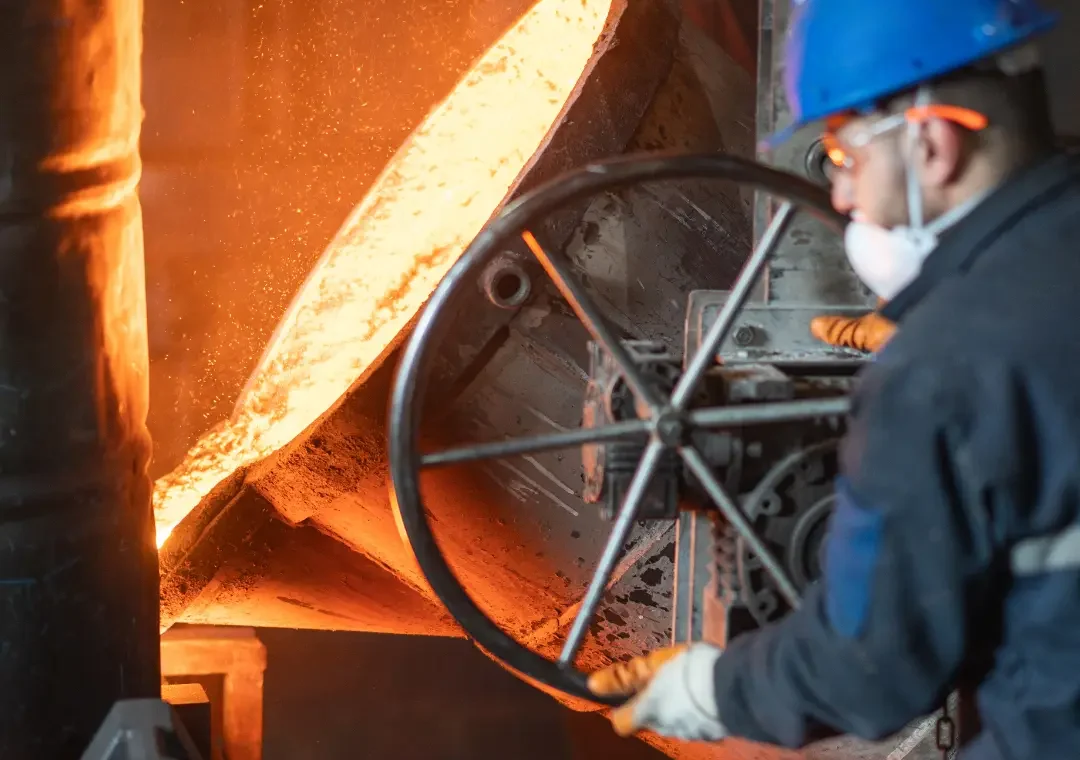
For structural or load-bearing components, engineering specifications and applicable building requirements should be followed. Protective equipment, safe handling procedures, and proper workshop practices are also important when working with metal materials and machinery.
Depending on the project, documentation such as material specifications, inspection records, and approved drawings may help demonstrate that the fabricated components meet the agreed requirements.
Conclusion
Metal fabrication is an important part of construction, manufacturing, commercial design, and industrial production. From general metal fabrication work to specialised custom sheet metal fabrication, the process makes it possible to create products tailored to specific dimensions, materials, and applications.
When choosing a metal fabrication service, consider technical capabilities, material selection, customization options, quality control, pricing transparency, and project timelines. Preparing clear specifications before requesting a quotation can also improve communication and help avoid unnecessary revisions.
If you are planning a fabrication project in Dubai, explore Metal Space UAE’s metal fabrication page to learn more about metal fabrication solutions and identify options that align with your project requirements.
Frequently Asked Questions (FAQs)
1. What is a metal fabrication service?
A metal fabrication service converts raw metal into finished components or products through processes such as cutting, bending, welding, forming, and assembly. Services may be used for construction, industrial equipment, commercial interiors, and customised metal products.
2. What types of metal fabrication work are available?
Common types of metal fabrication work include metal cutting, sheet metal forming, welding, structural fabrication, component assembly, metal finishing, and the production of customised brackets, frames, panels, and enclosures.
3. How do I find custom metal fabrication near me?
Start by searching for local fabrication providers and reviewing their experience, equipment, project capabilities, quality-control procedures, and customer feedback. Share your drawings, dimensions, materials, quantities, and delivery requirements to obtain a more accurate quotation.
4. What is custom sheet metal fabrication used for?
Custom sheet metal fabrication is used to manufacture products such as metal panels, cabinets, enclosures, brackets, equipment covers, ductwork, decorative features, and customized commercial fixtures. The exact application depends on the material, design, and intended use
5. What factors affect the cost of metal fabrication?
The cost depends on the metal type, thickness, quantity, design complexity, cutting and forming processes, welding requirements, finishing, delivery, and installation. Providing detailed specifications helps fabrication providers prepare more accurate and comparable quotations.