


Sustainability has become a key priority for manufacturers across the globe. As industries strive to reduce their environmental impact while maintaining productivity, the demand for cleaner and more efficient production methods continues to grow. Companies are increasingly looking for technologies that help conserve resources, minimize waste, and improve operational efficiency without compromising quality.
One technology that has significantly contributed to these goals is laser cutting. Known for its precision, speed, and versatility, laser cutting has transformed modern manufacturing by enabling businesses to produce high-quality components while supporting environmentally responsible practices. From reducing material waste to improving energy efficiency, laser cutting plays an important role in creating a more sustainable manufacturing environment.
What is Laser Cutting?
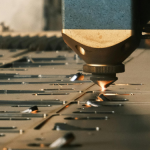
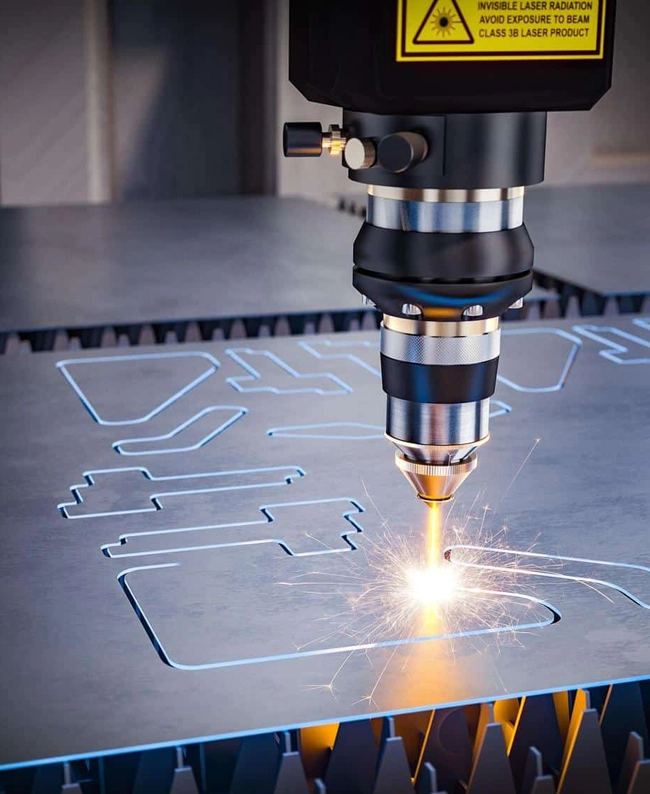
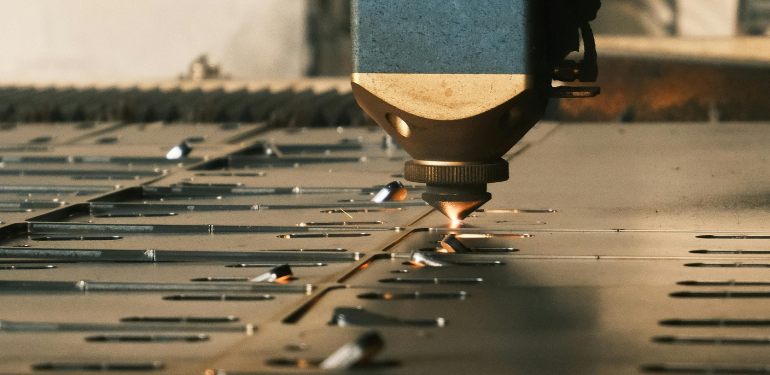
Laser cutting is a manufacturing process that uses a concentrated beam of light to cut, shape, or engrave materials with exceptional precision. The laser generates intense heat that melts, burns, or vaporizes the material along a predetermined path. This technology is commonly used on materials such as metal, stainless steel, aluminum, acrylic, wood, and certain plastics. Its ability to produce accurate cuts with minimal material loss makes it a preferred choice for many industries.
The Connection between Manufacturing and Sustainability
Traditional manufacturing processes often consume large amounts of raw materials, energy, and resources. They can also generate significant waste and emissions that impact the environment. Sustainable manufacturing focuses on reducing these negative effects by improving efficiency, minimizing waste, and making better use of available resources. Technologies that support these objectives help manufacturers achieve both environmental and economic benefits. Laser cutting is one such solution that aligns well with modern sustainability goals.
Precision Cutting Reduces Material Waste
One of the biggest sustainability advantages of laser cutting is its exceptional accuracy. The highly focused laser beam creates precise cuts that reduce errors and material loss. Manufacturers can optimize sheet layouts and nest multiple parts efficiently, allowing them to maximize the use of raw materials. This reduces scrap generation and ensures that fewer resources are wasted during production. As a result, businesses can lower material costs while decreasing the amount of waste sent for disposal or recycling.
Lower Energy Consumption Compared to Traditional Methods
Modern laser cutting systems are designed to operate efficiently while delivering high performance. Compared to some conventional cutting methods, laser technology can complete tasks faster and with greater precision. Shorter processing times often translate into lower overall energy consumption per finished component. This improved efficiency supports sustainability initiatives while helping manufacturers control operational expenses. As energy efficiency becomes increasingly important, many companies are turning to advanced laser systems to support greener production processes.
Minimal Need for Secondary Processing
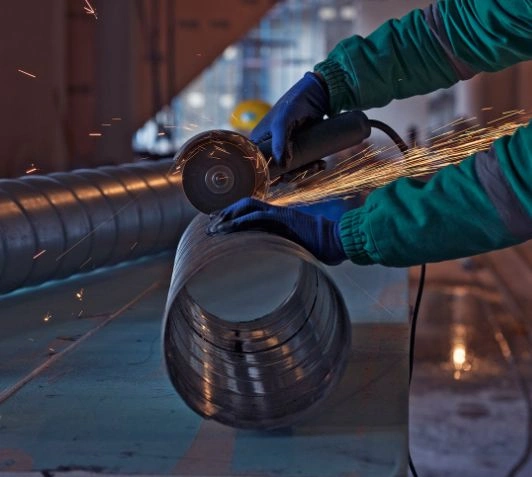
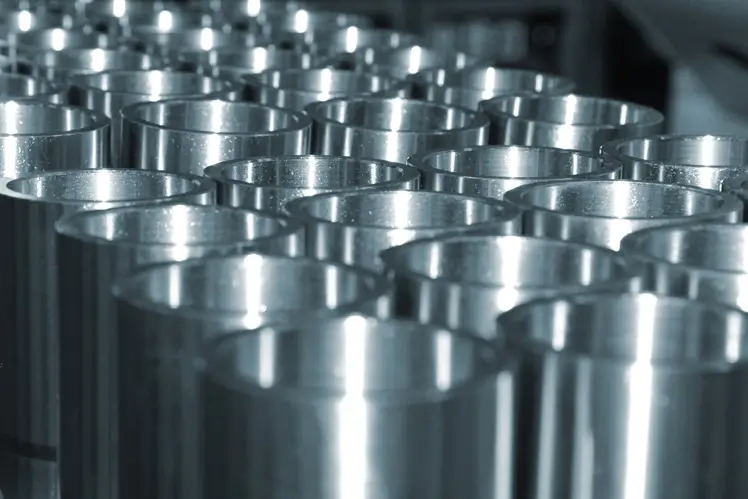
Traditional cutting methods may leave rough edges or imperfections that require additional finishing operations such as grinding, sanding, or machining. Laser cutting typically produces clean and smooth edges, reducing the need for secondary processing. Fewer finishing steps mean lower energy usage, reduced labor requirements, and less material consumption throughout the production cycle. This streamlined workflow contributes to a more sustainable manufacturing process while maintaining high-quality results.
Supports Lean Manufacturing Practices
Lean manufacturing focuses on eliminating waste and maximizing value throughout production. Laser cutting supports these principles by improving accuracy, reducing defects, and optimizing workflow efficiency. The ability to produce parts quickly and accurately minimizes rework and unnecessary resource consumption. Manufacturers can also reduce excess inventory by producing components on demand, further supporting sustainable operations. By integrating laser cutting into lean production strategies, businesses can improve productivity while reducing environmental impact.
Reduced Use of Consumables
Many traditional cutting methods rely heavily on cutting tools that wear out over time and require frequent replacement. Laser cutting minimizes dependence on physical cutting tools, reducing the consumption of materials associated with tool manufacturing, maintenance, and disposal. Fewer consumables mean less waste and a lower overall environmental footprint. This advantage makes laser technology both economically and environmentally beneficial.
Improved Material Yield across Industries
Efficient material utilization is important in industries where raw materials represent a significant portion of production costs. Laser cutting enables manufacturers to achieve higher material yields through precise cutting and optimized layouts. Industries such as automotive, aerospace, construction, and industrial fabrication benefit greatly from this capability. By making the most of every sheet or component, businesses can reduce waste and improve overall resource efficiency. This is one reason why many organizations invest in professional laser cutting services Dubai to support their manufacturing requirements.
Reduced Emissions and Environmental Impact
Sustainable manufacturing aims to reduce emissions and minimize environmental harm. Laser cutting contributes to this objective through efficient operations and reduced waste generation. Because the process requires fewer secondary operations and less material handling, overall production-related emissions can be lowered. Additionally, better resource utilization means fewer raw materials are consumed over time. These advantages help organizations move closer to their sustainability targets while maintaining competitive production standards.
Supports Recycling and Circular Manufacturing
The concept of a circular economy encourages the reuse and recycling of materials whenever possible. Laser cutting supports this approach by creating clean cuts that make materials easier to recycle and repurpose. Reduced contamination during processing helps maintain material quality, increasing the likelihood that leftover materials can be effectively reused in future applications. This contributes to a more sustainable production cycle and reduces dependence on newly sourced raw materials.
Digital Integration and Smart Manufacturing
Modern laser cutting systems integrate seamlessly with digital design and manufacturing tools such as CAD and CAM software. Digital workflows improve accuracy, reduce design errors, and optimize material utilization before production even begins. Automated programming and production planning further enhance efficiency while minimizing waste. As manufacturers embrace Industry 4.0 technologies, laser cutting continues to play an important role in smart and sustainable production environments.
Long-Term Cost Savings through Sustainability
Sustainability and profitability often go hand in hand. By reducing waste, lowering energy consumption, and improving operational efficiency, laser cutting can deliver substantial long-term cost savings. Manufacturers benefit from:
- Reduced material waste
- Lower energy expenses
- Fewer consumable costs
- Improved production efficiency
- Enhanced product quality
These benefits make laser cutting a valuable investment for businesses seeking sustainable growth.
Industries Benefiting from Sustainable Laser Cutting
Laser cutting is widely used across numerous industries, including:
- Automotive Manufacturing: Supports the production of precise components while minimizing material waste.
- Aerospace Industry: Delivers high accuracy required for complex and lightweight parts.
- Construction and Architecture: Enables efficient fabrication of structural and decorative components.
- Electronics Manufacturing: Provides precise cutting for delicate and intricate parts.
- Industrial Fabrication: Improves productivity and resource utilization in large-scale manufacturing operations.
Many companies rely on specialized Laser Cutting Services Dubai to meet the precision and sustainability demands of these industries.
Best Practices for Maximizing Sustainability with Laser Cutting
To achieve the greatest environmental benefits, manufacturers should follow several best practices:
- Perform Regular Machine Maintenance: Regular maintenance keeps the laser cutting system operating efficiently, reducing energy waste and preventing unnecessary downtime.
- Optimize Cutting Parameters for Each Material: Using the correct speed, power, and settings for each material helps minimize waste and improve cutting efficiency.
- Use Efficient Nesting Techniques to Maximize Material Utilization: Proper part arrangement on material sheets reduces scrap and ensures more effective use of raw materials.
- Monitor Production Processes Regularly: Continuous monitoring helps identify inefficiencies early, allowing manufacturers to reduce waste and improve productivity.
- Provide Employee Training on Sustainable Manufacturing Practices: Well-trained employees are better equipped to follow efficient processes that support resource conservation and sustainable production goals.
These steps can further improve efficiency and reduce waste across operations.
Future of Sustainable Manufacturing with Laser Technology
The future of laser cutting continues to evolve with advancements in automation, artificial intelligence, and machine efficiency. New laser systems are becoming faster, more accurate, and more energy-efficient than ever before. As sustainability regulations become stricter and environmental awareness grows, manufacturers will increasingly adopt technologies that support responsible production. Laser cutting is expected to remain a key component of this transition toward greener manufacturing practices.
Laser cutting has become much more than a precision manufacturing tool. Its ability to reduce material waste, improve energy efficiency, minimize secondary processing, and support recycling makes it a valuable contributor to sustainable manufacturing. By helping businesses balance productivity with environmental responsibility, laser cutting supports a future where efficient production and sustainability work together to drive long-term success.