
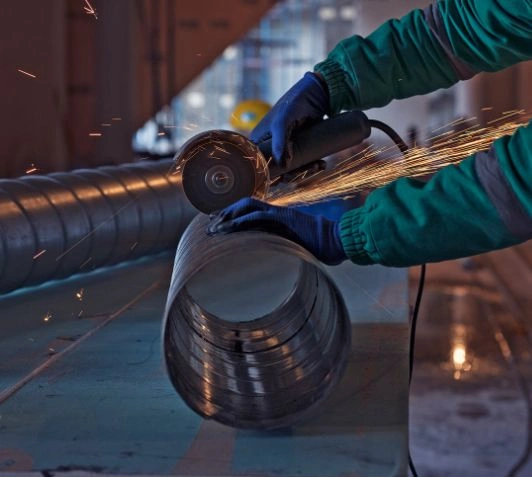
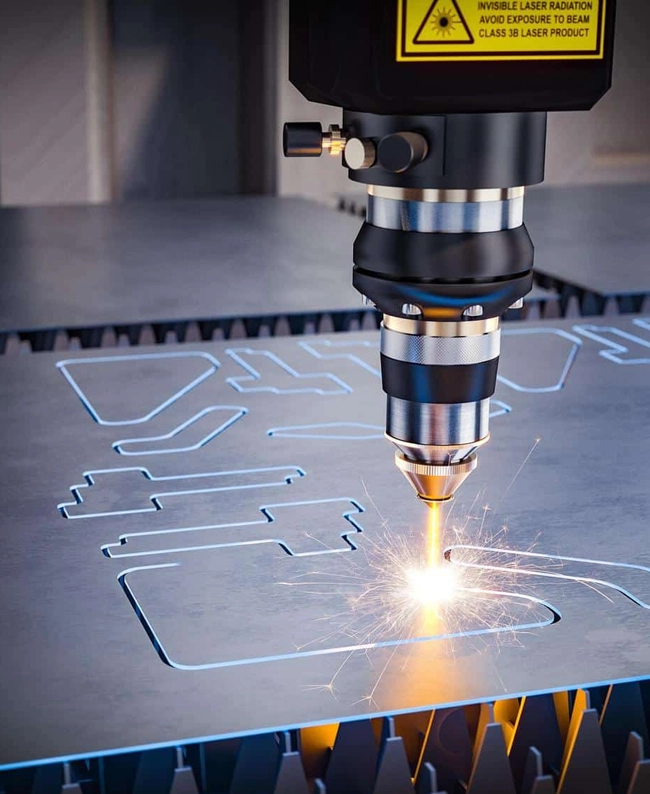


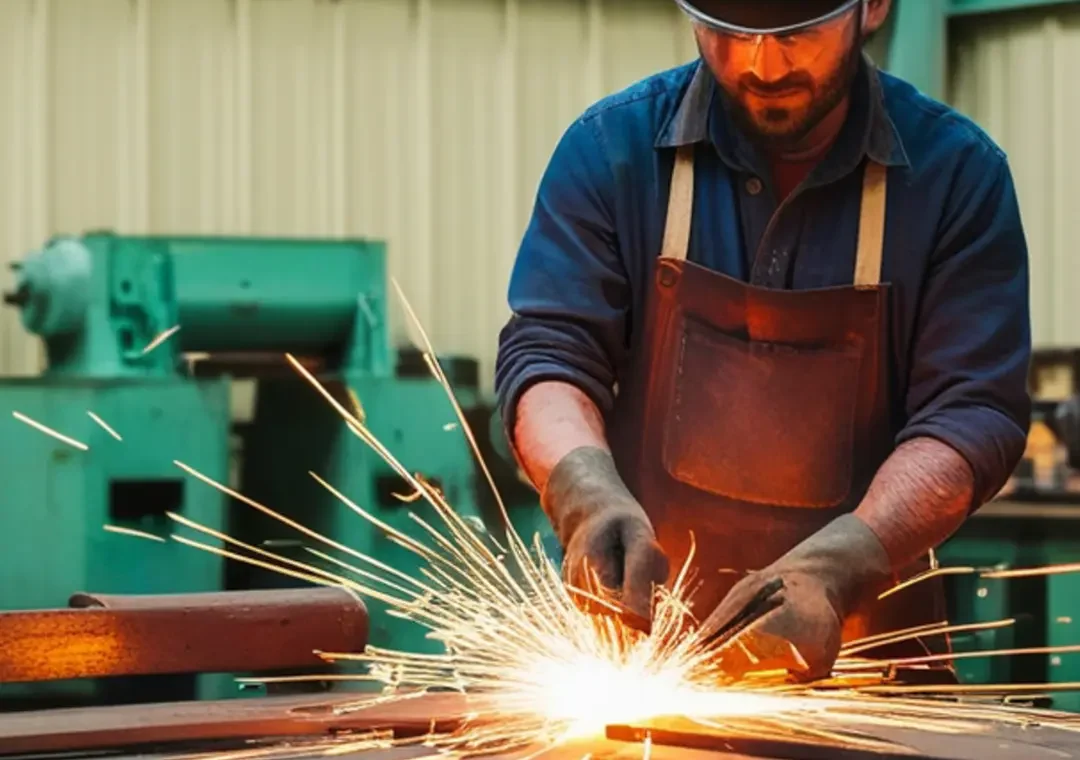
Steel fabrication plays a vital role in construction, infrastructure, manufacturing, and architectural projects. Whether it’s structural frames, industrial platforms, staircases, or decorative metalwork, fabrication quality directly affects safety, durability, and project timelines. However, steel fabrication projects often face costly delays, rework, and performance issues due to avoidable mistakes in planning, material selection, design, and execution. This guide highlights the most common mistakes to avoid in steel fabrication projects and explains how careful planning and professional expertise (especially in specialized sectors like stainless steel fabrication Dubai) can ensure successful outcomes.
Key Steel Fabrication Mistakes to Avoid for Durable and Accurate Results
Steel fabrication quality directly impacts the strength, accuracy, and longevity of any structure, making it essential to avoid common production and design errors. Mistakes in material selection, welding, measurements, or finishing can lead to misalignment, corrosion, and costly rework. Understanding these key steel fabrication mistakes helps ensure durable, precise, and high-performance fabrication results.
- Poor or Incomplete Project Planning: Steel fabrication projects often run into problems when production begins without fully finalized drawings, specifications, or technical details. Missing dimensions, unclear tolerances, or undefined load requirements can lead to incorrect fabrication and costly rework during installation. Proper planning ensures that designers, engineers, and fabricators work from the same accurate information, reducing errors and delays.
- Choosing the Wrong Material Grade: Selecting an unsuitable steel grade for the intended environment or structural load is a common mistake. For example, using standard mild steel in humid or coastal areas can result in rapid corrosion, while low-grade alloys may not provide sufficient strength. Proper material selection must consider exposure conditions, structural demands, and long-term durability requirements to ensure reliable performance.
- Ignoring Fabrication Tolerances: Every fabricated component must meet precise dimensional tolerances to ensure correct assembly on site. When tolerances are overlooked during cutting, drilling, or bending, components may not align properly, leading to forced adjustments or structural stress. Defining and maintaining accurate tolerances throughout fabrication helps ensure seamless installation and structural integrity.
- Inadequate Welding Procedures: Welding quality plays a critical role in the strength and safety of fabricated steel structures. Poor welding techniques, incorrect filler materials, or inadequate joint preparation can create weak connections prone to cracking or failure. Ensuring qualified welders, proper welding procedures, and inspection practices helps maintain joint strength and long-term reliability.
- Overlooking Corrosion Protection: Steel is vulnerable to corrosion when exposed to moisture, chemicals, or harsh environmental conditions. Neglecting protective treatments such as coatings, galvanizing, or surface finishing can significantly shorten the lifespan of fabricated components. Appropriate corrosion protection methods must be selected based on exposure conditions to maintain durability and appearance.
- Poor Dimensional Accuracy and Measurement Errors: Inaccurate measurements during fabrication can cause major fit-up problems during assembly. Errors in cutting lengths, hole positions, or angles often result from manual measurement mistakes or uncalibrated equipment. Maintaining strict measurement verification and using precision fabrication tools helps ensure components meet required dimensions.
- Lack of Coordination between Design and Fabrication Teams: Designs that do not consider fabrication feasibility can create significant production challenges. Complex geometries, inaccessible weld areas, or impractical assembly methods may require redesign during fabrication, causing delays and added costs. Early collaboration between designers and fabricators ensures components are both functional and manufacturable.
- Ignoring Load and Structural Requirements: Fabricated steel components must safely withstand loads such as weight, wind forces, vibration, and thermal expansion. Miscalculations or assumptions about these loads can lead to undersized sections or inadequate supports, risking deformation or failure. Accurate structural analysis and adherence to engineering standards are essential for safety.
- Using Low-Quality Fabrication Equipment: Outdated or poorly maintained machinery can compromise fabrication accuracy and surface quality. Rough cutting edges, inconsistent bends, or welding defects often result from inadequate equipment. Modern, well-maintained fabrication tools enable precise shaping, clean edges, and consistent quality across components.
- Neglecting Surface Finish Requirements: Fabricated steel is often visible in architectural applications, making surface finish quality important. Scratches, uneven polishing, or weld discoloration can negatively affect appearance and perceived quality. Proper finishing processes and careful handling during fabrication and transport help maintain the desired aesthetic.
- Inadequate Quality Control and Inspection: Without systematic inspection during fabrication, defects may remain unnoticed until installation. Missing dimensional checks, weld inspections, or material verification can lead to structural or fit-up problems on site. Implementing staged quality control throughout production ensures components meet required standards before delivery.
- Poor Handling and Transportation Practices: Even accurately fabricated steel components can be damaged if mishandled during storage or transport. Improper lifting, stacking, or packaging can cause bending, coating damage, or surface scratches. Using proper supports, protective materials, and safe handling methods preserves component quality until installation.
- Skipping Mockups or Trial Assembly: Large or complex steel assemblies often require trial fitting before site delivery. Skipping this step increases the risk of misalignment or connection issues during installation. Conducting shop assembly or mockups helps verify fit and alignment, preventing costly adjustments on site.
- Ignoring Environmental and Site Conditions: Fabrication decisions must account for the environment where components will be installed. Factors such as temperature changes, moisture exposure, chemicals, or limited installation space affect performance and installation ease. Considering site conditions during design and fabrication improves durability and constructability.
- Selecting Fabricators Based Only on Cost: Choosing a fabricator solely on the lowest price can lead to compromised quality, inferior materials, or lack of technical expertise. Poor workmanship often results in higher long-term costs due to repairs or replacement. Evaluating experience, certifications, equipment, and quality standards ensures better project outcomes.
- Lack of Documentation and Traceability: Proper documentation is essential for verifying materials, welding procedures, and inspections. Without records such as material certificates or quality reports, it becomes difficult to confirm compliance or investigate issues. Maintaining traceable documentation supports accountability and long-term reliability.
- Not Considering Future Maintenance: Steel structures require inspection and maintenance throughout their lifespan. Designs that create inaccessible joints, moisture traps, or difficult-to-clean surfaces increase maintenance effort and corrosion risk. Planning for accessibility and drainage during fabrication improves long-term serviceability.
- Underestimating Material-Specific Fabrication Complexity: Different steel types behave differently during cutting, forming, and welding. Treating all steels the same can lead to distortion, surface damage, or weakened joints. Understanding material-specific fabrication requirements ensures structural strength, dimensional stability, and surface quality.
Steel fabrication projects involve complex coordination between design, material selection, manufacturing, and installation. Mistakes such as poor planning, incorrect materials, inadequate welding, and lack of quality control can lead to structural risks, aesthetic defects, and costly delays. Avoiding these common errors requires experienced fabricators, precise engineering, and strict quality assurance processes. This is particularly critical in specialized sectors like stainless steel fabrication Dubai, where durability, corrosion resistance, and visual quality are equally important. By prioritizing proper planning, skilled workmanship, and high-quality materials, steel fabrication projects can achieve long-lasting performance, safety, and aesthetic excellence.